The Hidden Complexity of Packaging for Diagnostics
Packaging for diagnostic systems rarely gets the spotlight. Yet, when you work at the intersection of medical diagnostics and supply chain logistics, the packaging is as critical as the instrument itself. Diagnostic system suppliers face a unique challenge: their products are delicate, often temperature- or humidity-sensitive, and destined for hospitals, laboratories, pharmacies, veterinary clinics, and more. Each destination brings its own requirements and constraints.
Take a box of rapid antigen COVID-19 tests heading to a rural clinic. It needs to survive rough handling during transport, sudden weather changes en route, and weeks on a storeroom shelf — all while maintaining sterility and accuracy. Or consider blood gas analyzers shipped to a government lab: these might require shock absorption for internal sensors and tamper-evident seals to guarantee chain of custody. These scenarios illustrate how packaging goes far beyond cardboard boxes and bubble wrap.
Understanding Sensitive Diagnostic Components
Sensitive components come in many forms: reagents that degrade with temperature swings; optical sensors vulnerable to dust or static discharge; microfluidic cartridges prone to leaks or contamination; even electronic modules that can fail from vibration or humidity exposure.
Each diagnostic system supplier learns quickly that packaging must do more than "contain." In practice, it must:
- Shield physical shocks during transit. Block out light, air, or moisture where needed. Maintain specified temperatures - sometimes within tight tolerances. Offer intuitive unboxing for busy clinical staff. Comply with regulatory labeling and tracking mandates.
That means off-the-shelf packaging solutions rarely suffice. Customization becomes not just an advantage but a requirement.
Core Principles Guiding Custom Packaging Solutions
Experience in pharmaceutical packaging solutions reveals three foundational principles that also guide diagnostic system suppliers:
First comes risk assessment. Every component demands an honest look at what could go wrong — from thermal excursions in summer heatwaves to electrostatic discharges rattling through airport conveyors.
Second is modularity. With diverse product lines shipping globally, standardized outer packs with custom-fit inserts provide both efficiency and adaptability.
Third is traceability. Whether serving hospitals or governments, lot numbers and barcodes are non-negotiable for recalls or audits.
These principles become more nuanced when applied across various healthcare sectors:
- Laboratory packaging solutions must prioritize chemical compatibility. Veterinary packaging solutions may require extra ruggedness for field use. Packaging solutions for pharmacies emphasize compactness and clear labeling. Government tenders often stipulate tamper-evidence above all else.
Building Blocks of a Customized Package
The anatomy of customized diagnostic packaging involves layers — each serving a distinct purpose:
Primary Packaging: This is direct contact material: vials, ampoules, blisters. Here the focus is sterility and chemical inertness.
Secondary Packaging: Boxes or trays organizing multiple components into easy-to-use kits. These often include molded foam or thermoformed plastic to immobilize contents — especially compostable stand up pouches vital when dealing with glass cuvettes or fragile optics.
Tertiary Packaging: Shipping cartons designed to withstand stacking in warehouses or jostling in trucks. Here UN-certified materials may be mandated if shipping hazardous reagents internationally.
Consider biotech packaging solutions for gene sequencing kits: primary tubes shielded inside vacuum-molded trays (secondary), placed within temperature-controlled shippers (tertiary) lined with phase-change materials to maintain 2–8°C over several days.
Every layer adds cost but also protection — understanding where investment yields real value is key.
Trade-Offs in Material Selection
Choosing between plastics, foams, metals, or sustainable alternatives involves practical trade-offs:
Plastics such as PETG or polypropylene offer robust moisture barriers but raise sustainability concerns unless recycled content is used. Molded pulp scores points on environmental grounds but may lack precision fit needed for sensitive electronics.
For cold-chain applications common in laboratory settings (e.g., PCR reagents), expanded polystyrene remains popular due to low thermal conductivity despite its poor recyclability profile.
Sometimes only hybrid approaches work: vacuum-sealed foil pouches nestled inside rigid plastic shells deliver both barrier properties and impact resistance for high-value test strips bound for remote locations.
Suppliers who serve both food supplements packaging solutions (where shelf appeal matters) and medical logistics (where function dominates) understand these trade-offs intimately. There’s no one-size-fits-all answer; the best material choices emerge from thorough testing under real-world conditions.
Regulatory Demands Shape Design Choices
Meeting regulatory standards shapes almost every aspect of diagnostic system packaging design:
The U.S. FDA expects traceability down to individual kit level plus evidence that sterility is maintained throughout distribution. The European Union’s IVDR has similarly stringent requirements augmented by demands around language labeling in every market served.
Hazardous materials rules govern how certain chemicals can be shipped by air versus ground — influencing everything from carton design to documentation included inside the pack. Even cannabis packaging solutions aimed at diagnostic tests involving cannabinoids must navigate overlapping medical device regulations and controlled substance laws depending on jurisdiction.
Failure here brings risk not just of fines but delayed shipments and damaged reputations if products arrive unusable due to compromise along the way.
Realities of Logistics: Temperature Control and Speed
Diagnostic suppliers can’t afford assumptions about transport environments. Packages may travel thousands of kilometers via truck, plane, even boat before reaching their final destination — sometimes passing through climates ranging from tropical humidity to icy tarmacs within hours.
Temperature-sensitive payloads require active coolers using dry ice or gel packs — but these add weight and cost while reducing available payload space per shipment. More advanced players now deploy phase-change materials engineered for precise melt/freeze points tailored to specific assay chemistries; some even use RFID-enabled loggers that record temperature data throughout transit so labs can verify cold chain integrity upon arrival.
In practice, distribution partners vary wildly in reliability: while established hospital networks might have climate-controlled receiving docks, shipments intended as sports nutrition packaging solutions sometimes land at independent gyms with minimal storage infrastructure — making robust insulation all the more important wherever sensitive diagnostics piggyback on broader health product lines.
Customization Strategies Across Sectors
No two diagnostic system suppliers will approach customization identically because end-user needs diverge so dramatically across sectors:
Pharmaceutical companies demand tamper-proof seals coupled with serialization features enabling recalls within hours if needed; they often request multi-compartment secondary packs supporting complex workflows at point-of-care settings.
Dental care providers focus on compact dispensers accommodating crowded treatment rooms while keeping single-use items sterile until unwrapped moments before use.
Nursing home chains, by contrast, need bulk-friendly outer cartons optimized for shelf-stacking yet still subdivided internally so staff can efficiently restock medication carts without sifting through excess waste material — an area where custom inserts save time daily across hundreds of facilities nationwide.
Whereas supplement brands targeting superfoods or nuts & dried fruits want attractive graphics integrated atop functional barriers against oxygen ingress so product freshness lasts months post-shipment without refrigeration even as units travel via global e-commerce routes susceptible to unpredictable handling conditions en route.
Sample Workflow: From Consultation to Delivery
Let’s walk through a typical engagement between a diagnostic system supplier and their chosen custom packager:
Stakeholder AlignmentEarly meetings bring together engineers familiar with assay sensitivity thresholds alongside logistics coordinators who know transit pain points firsthand. Hazard Analysis
The team reviews historical shipment failures (leakage reports from last year’s flu season kits; condensation fogging up optical sensors during monsoon deliveries) then maps out every plausible hazard en route. Prototyping
The packager develops sample configurations using 3D CAD modeling followed by physical mockups subjected to drop tests and simulated ambient stressors. Regulatory Review
Drafts are cross-referenced against FDA/IVDR/country-specific checklists ensuring nothing slips through the cracks before mass production begins. Deployment & Feedback
Once approved packages ship out on pilot runs alongside data loggers tracking temperature/humidity/shock events - feedback loops back into design updates as needed per field performance metrics.
This iterative process rewards deep listening paired with technical acumen — shortcuts taken early almost always result in higher costs later whether due to spoilage rates creeping up unnoticed or sudden compliance failures discovered mid-distribution.
Edge Cases That Test Supplier Ingenuity
Not every scenario fits neat checklists:
During an Ebola outbreak response in West Africa several years ago, I recall designing rapid deployment kits combining diagnostics with personal protective equipment - all needing triple containment plus UN3373-compliant exterior markings so military airlifts could proceed without customs delays. Packing density mattered because each pallet slot meant another hundred potential lives reached per flight loadout.
At another extreme were ready meals & meal kits integrated with point-of-care test strips sold via pharmacy chains during COVID lockdowns — packages had to keep food safe AND isolate biohazard-labeled components while remaining easy enough for elderly customers living alone to open without tools.
These atypical projects underscore why experienced suppliers maintain flexible vendor relationships spanning both traditional medical-grade sources plus those versed in consumer-facing food supplement packaging solutions: nimbleness counts when priorities shift overnight.
Sustainability Under Pressure
Environmental responsibility pressures every link in the healthcare supply chain now – none more starkly than among buyers serving government contracts increasingly stipulating green procurement standards.
Biotech innovators want compostable wrappers wherever feasible yet refuse any compromise on barrier performance lest sensitive enzymes degrade prematurely.
Some progress shows up via mono-material plastics that simplify recycling streams; others trial bio-based foams made from mushroom mycelium or corn starch blends as drop-in replacements under test loads bound for select hospital pilots.
Trade-offs persist: fully recyclable secondary boxes tend toward bulkiness compared with hard plastics yet reduce landfill burden downstream; meanwhile reusable insulated shippers work well at scale only if reliable reverse-logistics channels exist – tricky outside major urban centers where return rates drop off rapidly.
No sustainable solution survives first contact unless validated by field data showing equal-or-better failure rates compared to legacy options – meaning rigorous pilot studies remain essential before wider rollouts.
The Future: Digital Tracking Meets Physical Protection
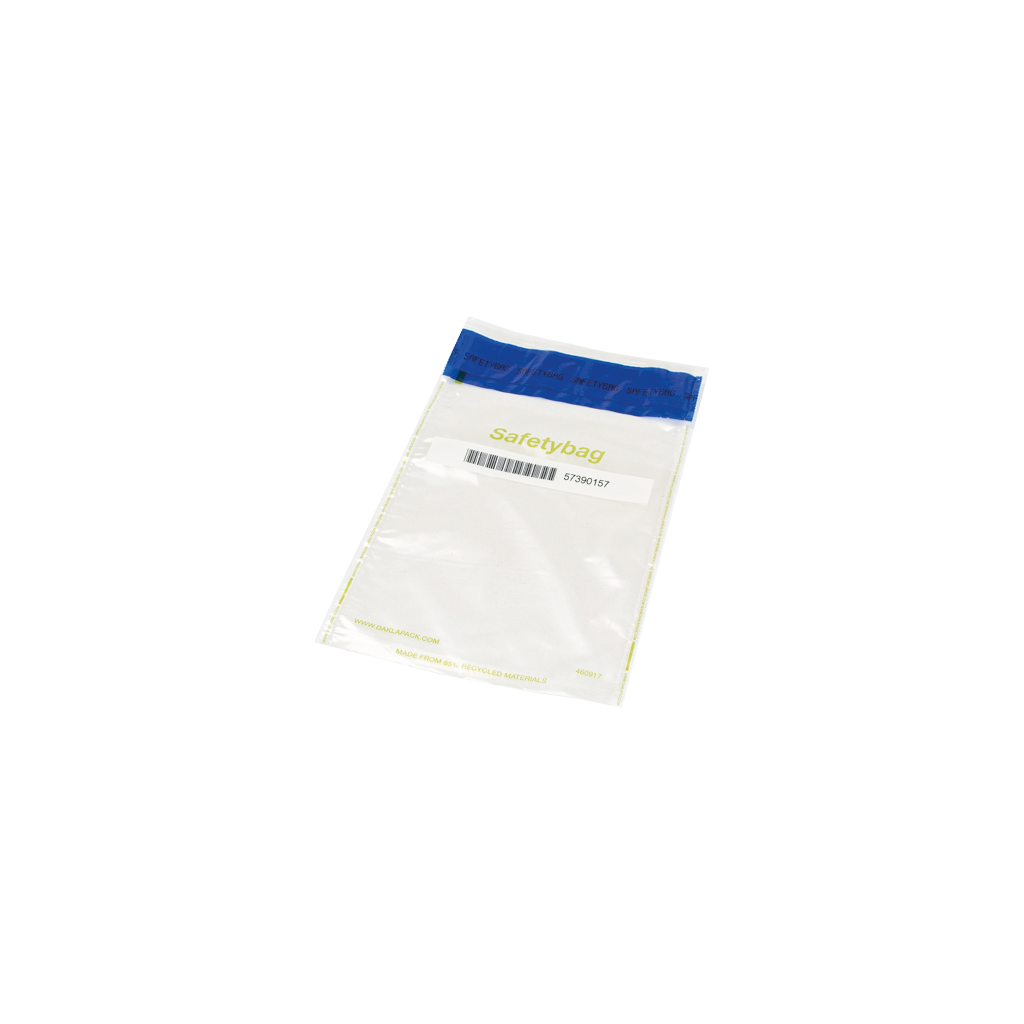
Emerging trends hint at next-generation integration between digital track-and-trace technology (blockchain-based serial number registries; QR codes linking directly into electronic health records) layered atop traditional physical safeguards like tamper-evident adhesives.
Already some government procurement frameworks require real-time GPS tagging on vaccine shipments allowing US Packaging Company central monitoring teams immediate insight if routes deviate unexpectedly – similar logic applies as advanced diagnostics become standard across public health initiatives worldwide.
Custom packagers able to bridge these worlds – pairing robust mechanical design with seamless digital handoffs – will set new benchmarks not just in compliance but also patient safety outcomes measured over years not quarters.
Practical Advice For Diagnostic System Suppliers Seeking Custom Packaging Partners
Success boils down less to grand gestures than everyday execution:
Vet prospective partners’ track records handling sensitive goods across your target regions – local regulatory knowledge trumps generic ISO certifications alone when field realities intervene unexpectedly mid-shipment.
Insist on transparent prototyping cycles including destructive testing under worst-case scenarios rather than sunny-day assumptions alone; embrace feedback from frontline users who open dozens of packs daily far removed from boardroom discussions guiding initial specs.
Budget realistically knowing premium materials pay dividends only if matched by operational discipline along every mile traveled – otherwise even gold-plated containers falter when left sweating uncollected on loading docks overnight due poor handoff planning downstream.
Finally remember customization never ends at launch day – continuous improvement driven by granular incident data enables incremental gains year after year turning what began as risk mitigation into genuine competitive advantage over time.
Packaging isn’t glamorous yet shoddy execution risks lives and reputations alike especially when stakes run as high as modern diagnostics demand today across hospitals labs clinics pharmacies—and beyond—into our homes themselves where trust rests not only on results printed inside but how safely those results arrived intact against all odds encountered en route.